Blog
Joseph.Sharon@chinesemasterpieces.com
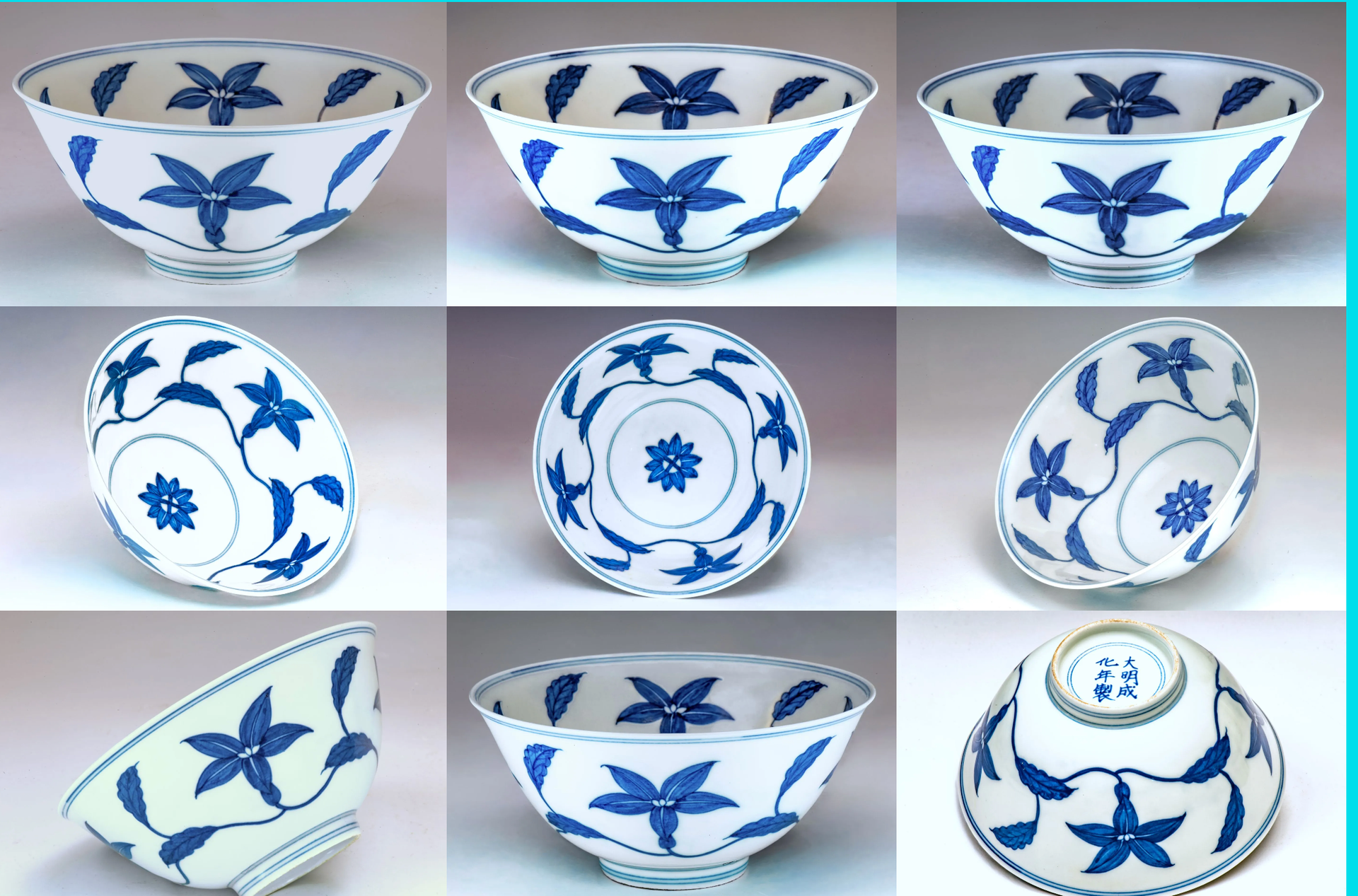
Very Important 15th-Century Ming Dynasty Chenghua Imperial Doucai Porcelain Tian Jar with "Three Friends of Winter" Mark and Period

This exquisite antique doucai Tian Jar, renowned for its artistry, exemplifies the highest standards of craftsmanship from the Ming Dynasty's Chenghua period. The term "doucai," which translates to "contrasting colors," refers to the technique employed in its creation—utilizing underglaze blue outlines that are meticulously filled with colorful enamel. This harmonious execution results in a visually captivating and whimsical aesthetic. The design prominently features the "Three Friends of Winter," which includes the Pine, Bamboo, and Prunus branches. Notably, the underglaze blue employed in this piece is derived from the imported cobalt known as Samali blue. This high-quality cobalt was combined with local pitang cobalt, resulting in a refined shade that is celebrated as one of the most beautiful cobalt blues in Chinese history. The distinctiveness of this shade, characteristic of the Chenghua period, sets it apart from other cobalt variations utilized in China. It is noteworthy that the importation of Samali blue has not occurred for over 500 years, and its origin in Persia remains uncertain. The clay used for the finest doucai wares from the Imperial Chenghua Kiln exhibits a slightly off-white hue, reminiscent of bone, which is evident upon close inspection. Additionally, the kiln’s high firing process often resulted in brownish foot rings, and the base may present a subtle waviness under specific lighting conditions. The Chenghua mark inscribed on the base signifies "Heaven," further adding to its significance. This Tian Jar is a testament to the pinnacle of the doucai technique during the Chenghua era, affirming its exceptional quality and design. Measuring approximately 5 1/8 inches in height, this remarkable piece also exhibits flaking in the biscuit, a testament to its age and authenticity. The jar indeed stands out as an extraordinary artifact of the Ming Dynasty.
Groundbreaking Discovery Challenges the Established History of Ru Ware
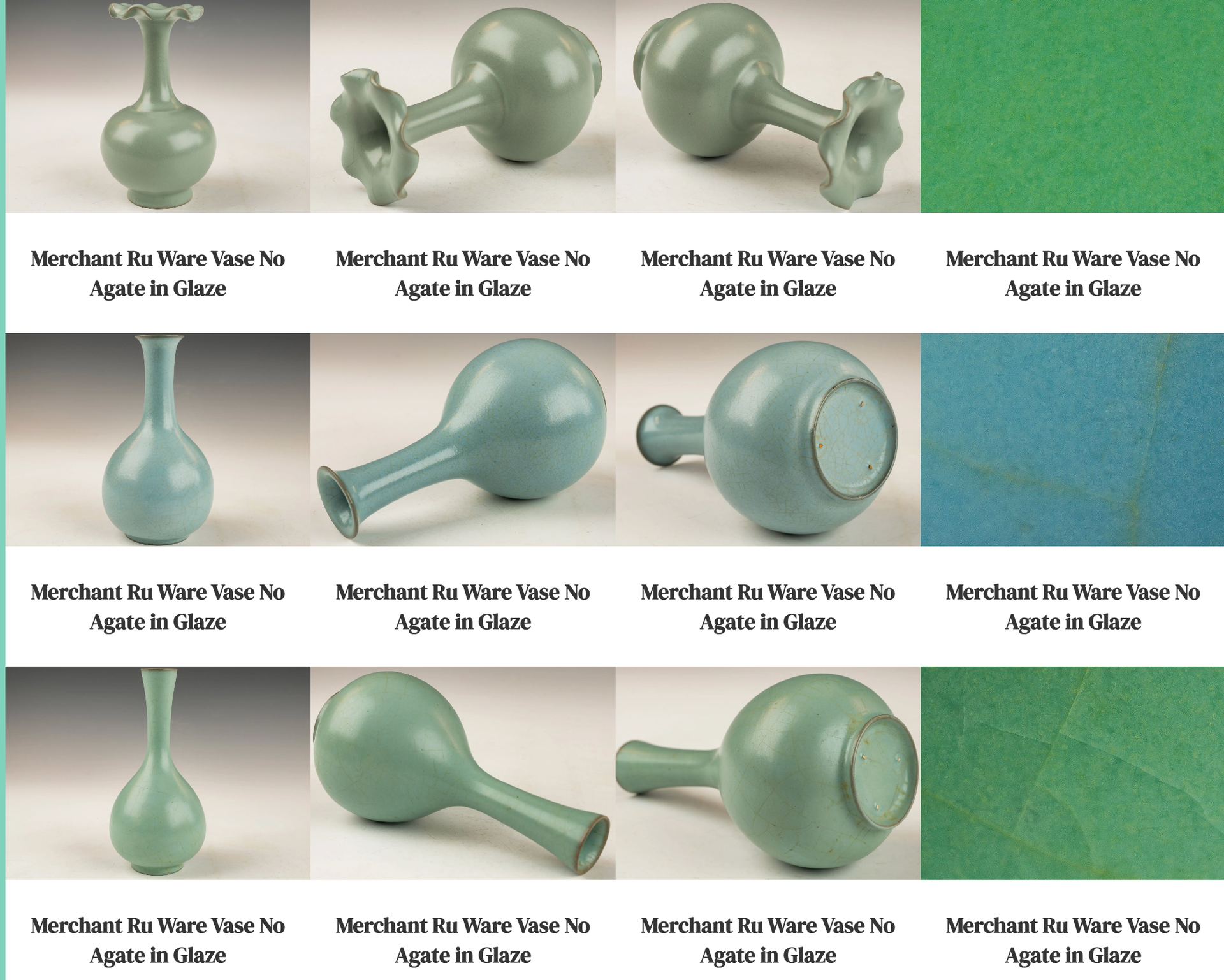
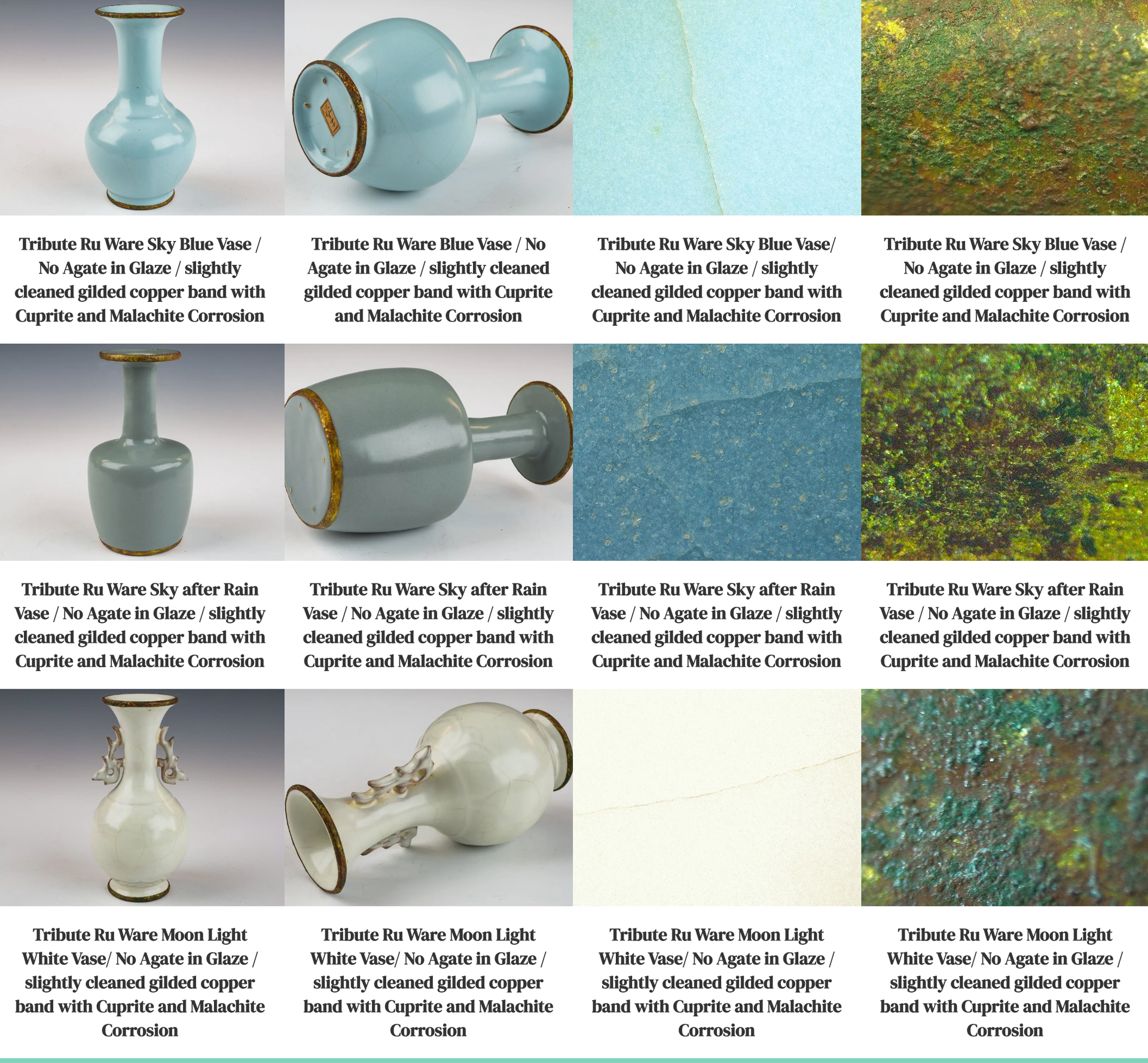
[Cherry Hill NJ 05/25/2025] – A shocking revelation in the world of ancient Chinese ceramics is set to disrupt the established understanding of Ru ware, one of the most prized ceramics of the Song Dynasty. Independent researcher and collector [Joseph Sharon] has uncovered irrefutable evidence proving that Imperial Ru wares incorporated crushed blue agate in their glazes and fire-gilded bands on their rims and bases—features that have been systematically ignored by museums and auction houses.
With a personal collection of over 300 pieces and extensive microscopic imaging evidence, [Joseph Sharon] has repeatedly attempted to present these findings to leading institutions, only to be met with silence and resistance.
Microscopic Evidence Exposes Long-Held Myths
Through high-resolution microscopic analysis, the presence of blue agate within Ru ware glazes has been confirmed. This contradicts the long-held claim that no such material remained after firing or was used in Song Dynasty ceramics. Agate, with its unique melting properties, remains intact within the glaze, creating a distinctive and recognizable effect that is scientifically impossible to replicate artificially.
Furthermore, many of these artifacts feature fire-gilded bands, a lost technique using a gold and mercury mixture that corrodes naturally over time, forming cuprite and botryoidal malachite—a signature of genuine Imperial wares. This technique has not been in use since the mid-1800s due to safety concerns, further proving the age and authenticity of these artifacts.
Resistance from Museums and Auction Houses
Despite sharing detailed analyses and microscopic photographs, leading auction houses and institutions, including the Palace Museum in Taiwan, have refused to examine the collection. The implications of this research challenge the credibility of millions of dollars' worth of past Ru ware sales, many of which were misattributed merchant-grade wares.
"The art world must prioritize historical accuracy over institutional reputations and market interests," says [Joseph Sharon]. "Refusing to engage with this evidence is a disservice to scholarship and collectors alike."
Call to Action: Seeking Open-Minded Scholars and Institutions
[Joseph Sharon] invites independent researchers, universities, and institutions to examine the collection and conduct independent testing to validate these findings.
In an effort to bring transparency to the art and research world, a new website is set to launch, showcasing high-resolution microscopic images, detailed reports, and side-by-side comparisons with known Ru ware artifacts.
History must be shaped by evidence, not by the reluctance of institutions to admit past mistakes. The time for truth is now.
For media inquiries, interview requests, or collaboration opportunities, please contact:
[Joseph Sharon]
[E-MAIL
Joseph.Sharon@chinesemasterpieces.com]
WEBSITE [https://www.chinesemasterpieces.com]
[Joseph Sharon] is a dedicated independent researcher and collector specializing in Song Dynasty ceramics. With an extensive collection and a passion for uncovering historical truths, [Joseph Sharon] has spent years analyzing and documenting evidence that challenges conventional narratives. Through scientific analysis and meticulous research, their goal is to bring long-overdue transparency to the world of ancient Chinese ceramics.
Chinese Masterpieces