Blog
Joseph.Sharon@chinesemasterpieces.com
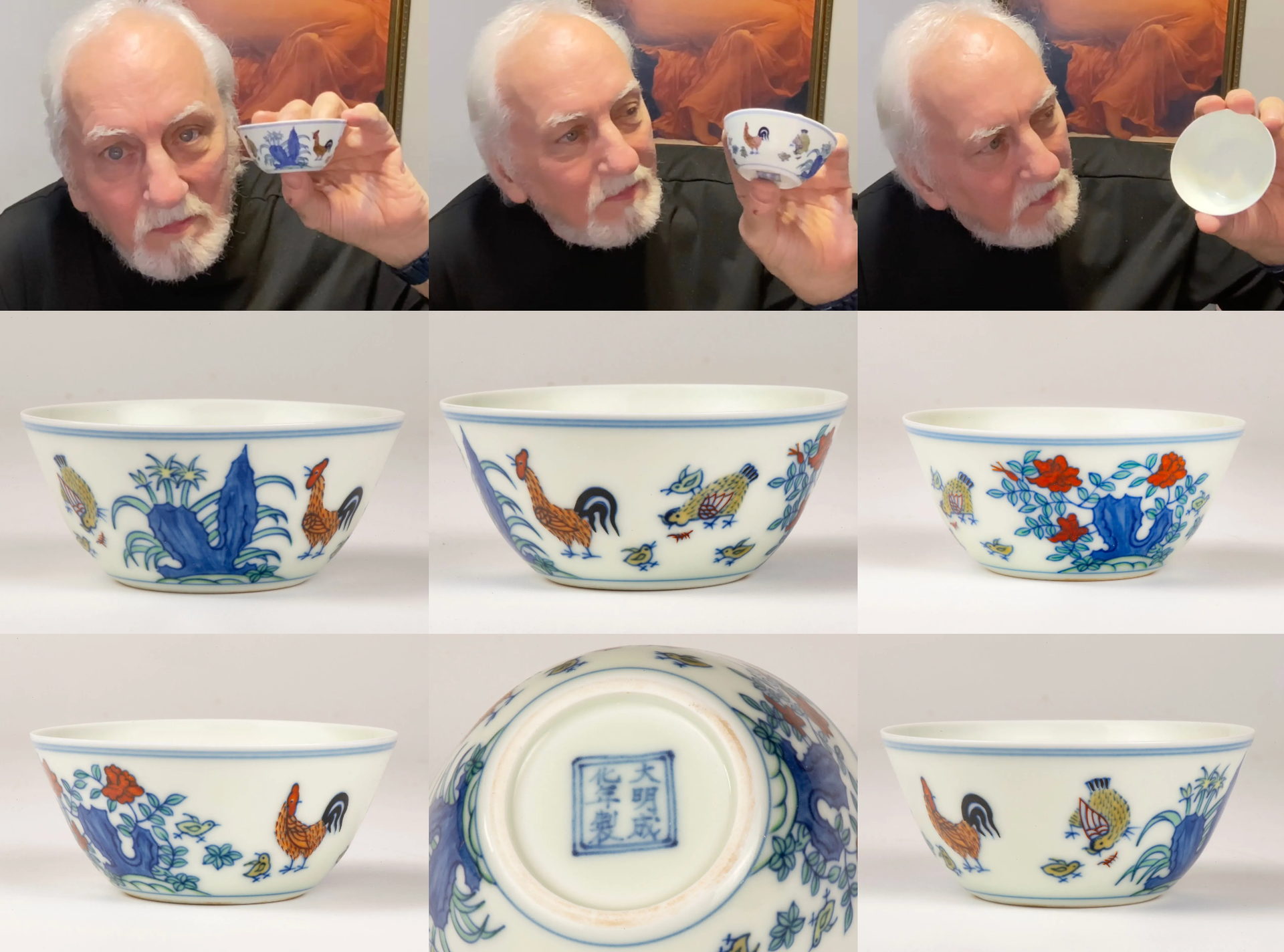
World's Finest Blue and White Chenghua Mark and Period Palace Bowl from the Ming Dynasty Featuring Lilies

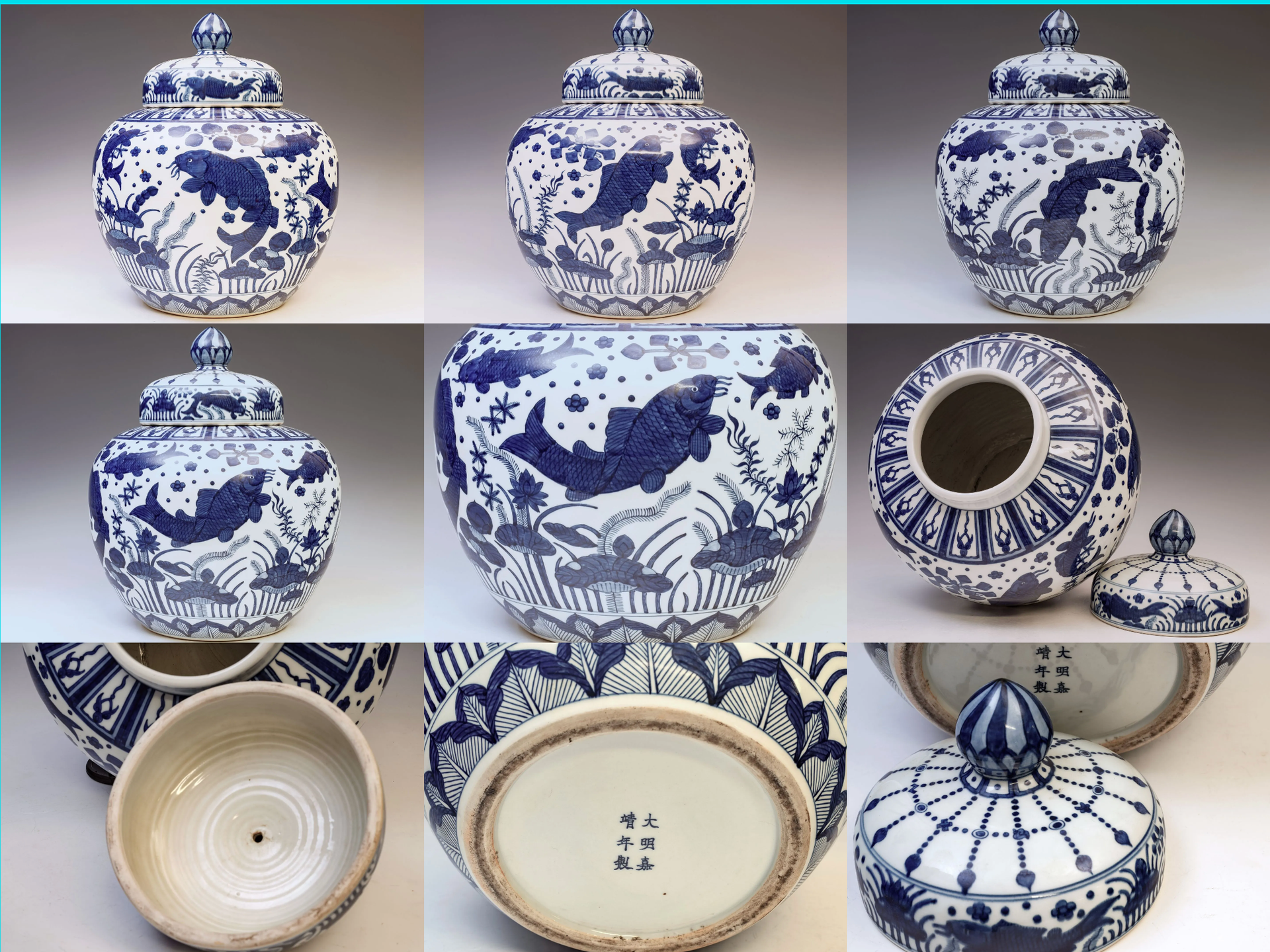
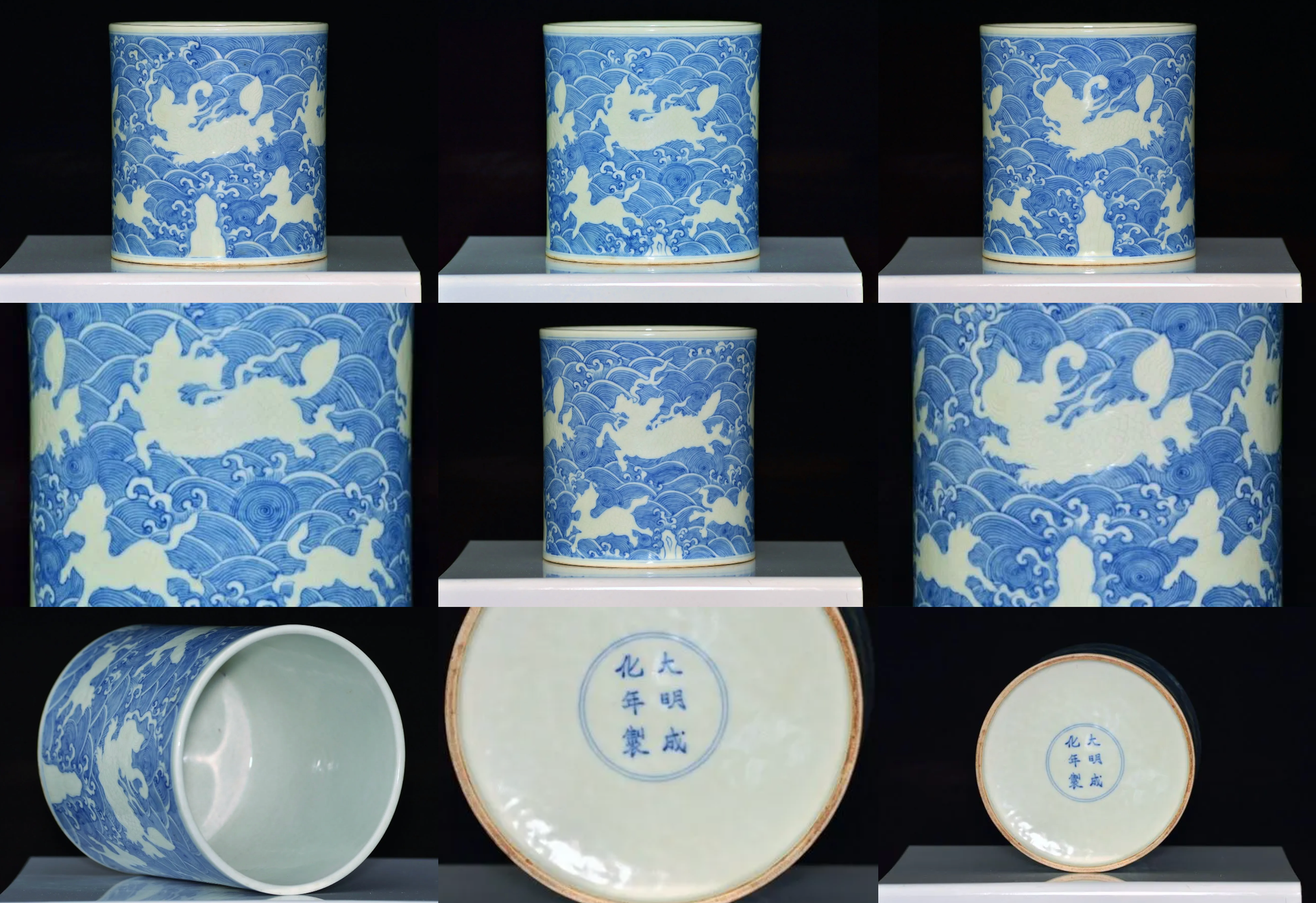
*Chenghua Palace Bowl: This Highly Coveted World's Finest Palace Bowl Masterpiece** This distinguished Chenghua Palace Bowl epitomizes the pinnacle of fine porcelain craftsmanship. It features the exceptionally rare samali blue cobalt, a pigment renowned for its distinctive hue, which sets it apart from contemporary Chinese cobalt. This unique coloration traces its origins to the Yuan and early Ming dynasties. The meticulous artistry evident in Chenghua wares is particularly noteworthy; skilled artisans adeptly refined the cobalt, eliminating the common issues of heaping and piling that often mar the surface glaze. Furthermore, they skillfully combined imported cobalt with local Pitang cobalt, yielding a remarkable spectrum of refined color tones. It is imperative to highlight that the imported cobalt utilized in these wares has been unavailable for over five centuries, thereby rendering any modern reproductions unattainable. Serious collectors must cultivate a discerning eye to accurately identify these exceptional pieces. The artistry displayed by Chenghua potters in their treatment of imported cobalt results in a unique array of hues that are readily distinguishable from items originating in other periods. This particular bowl exhibits notable flaking in the biscuit, attesting to its significant age. Available for purchase, it measures approximately 5 5/8 inches in diameter. For any inquiries regarding this exceptional bowl, please feel free to reach out.
Groundbreaking Discovery Challenges the Established History of Ru Ware
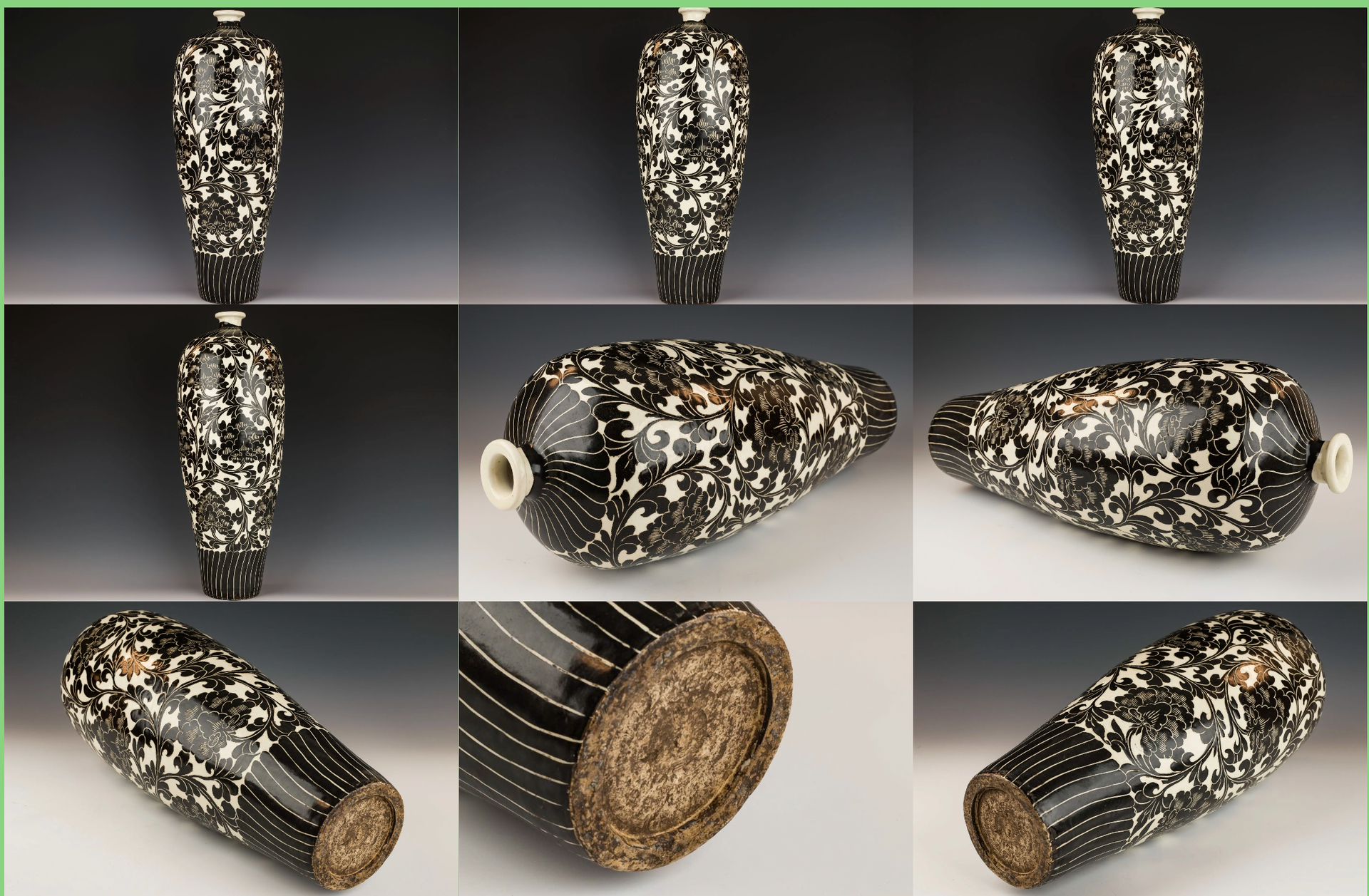
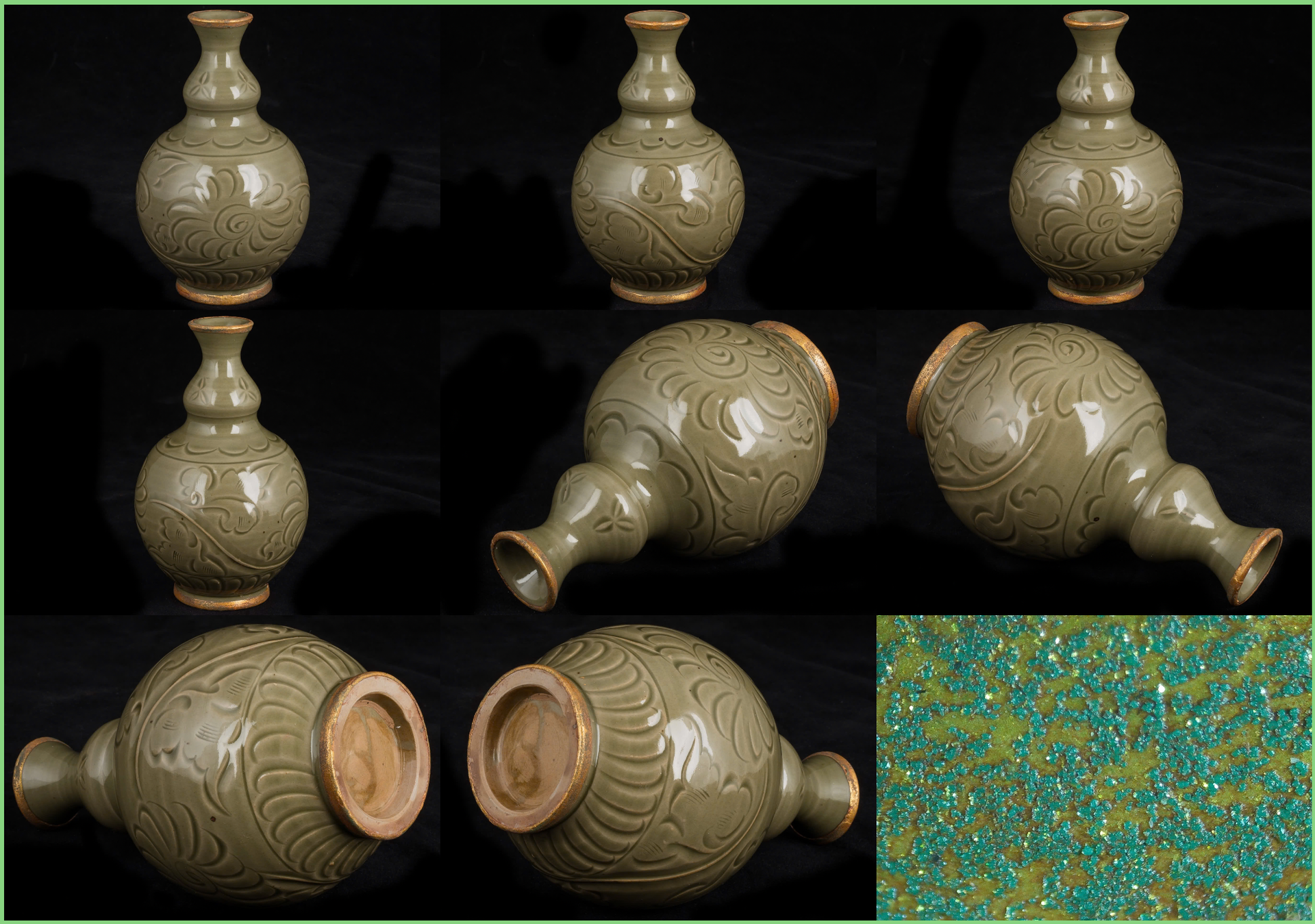
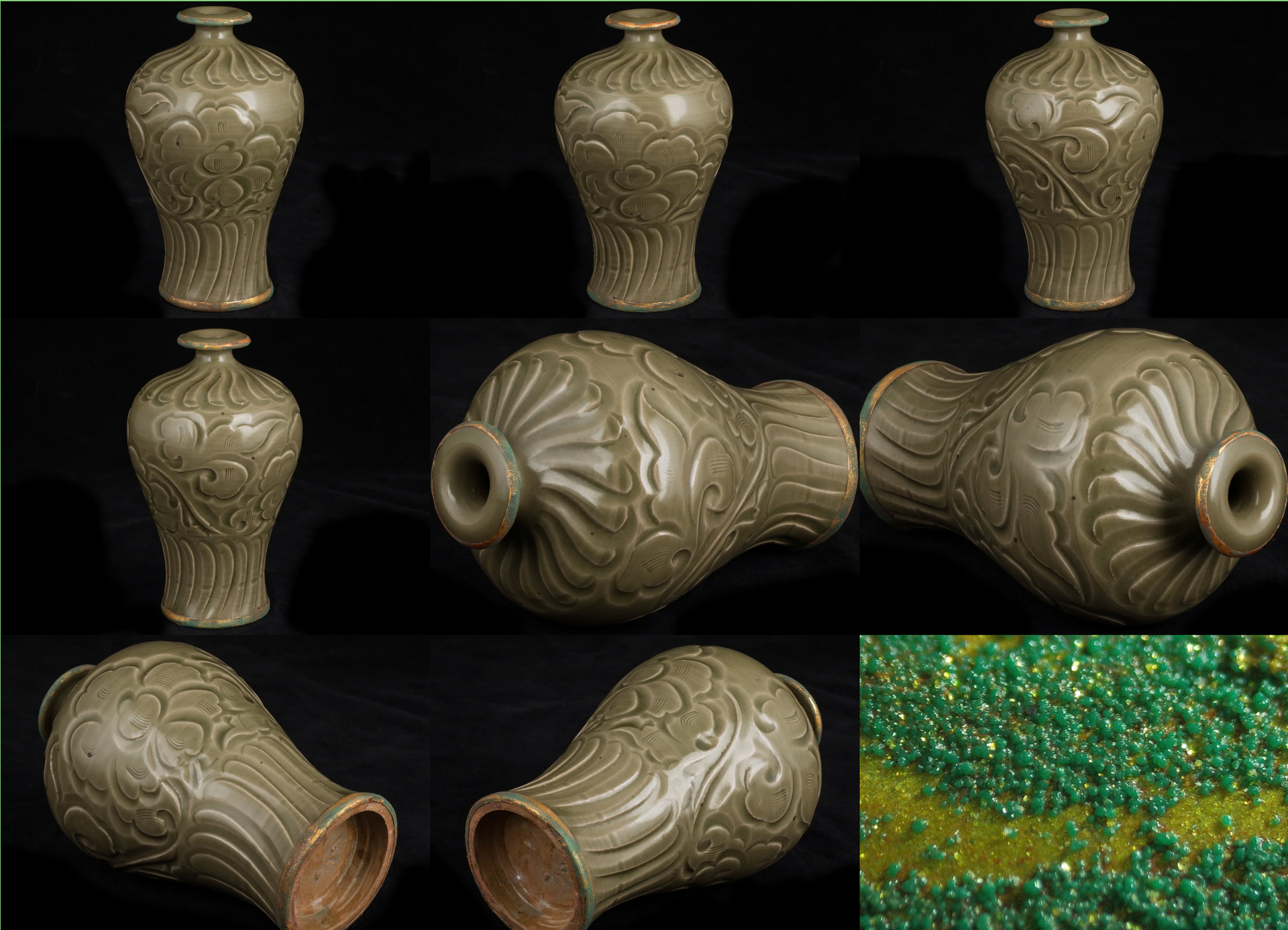
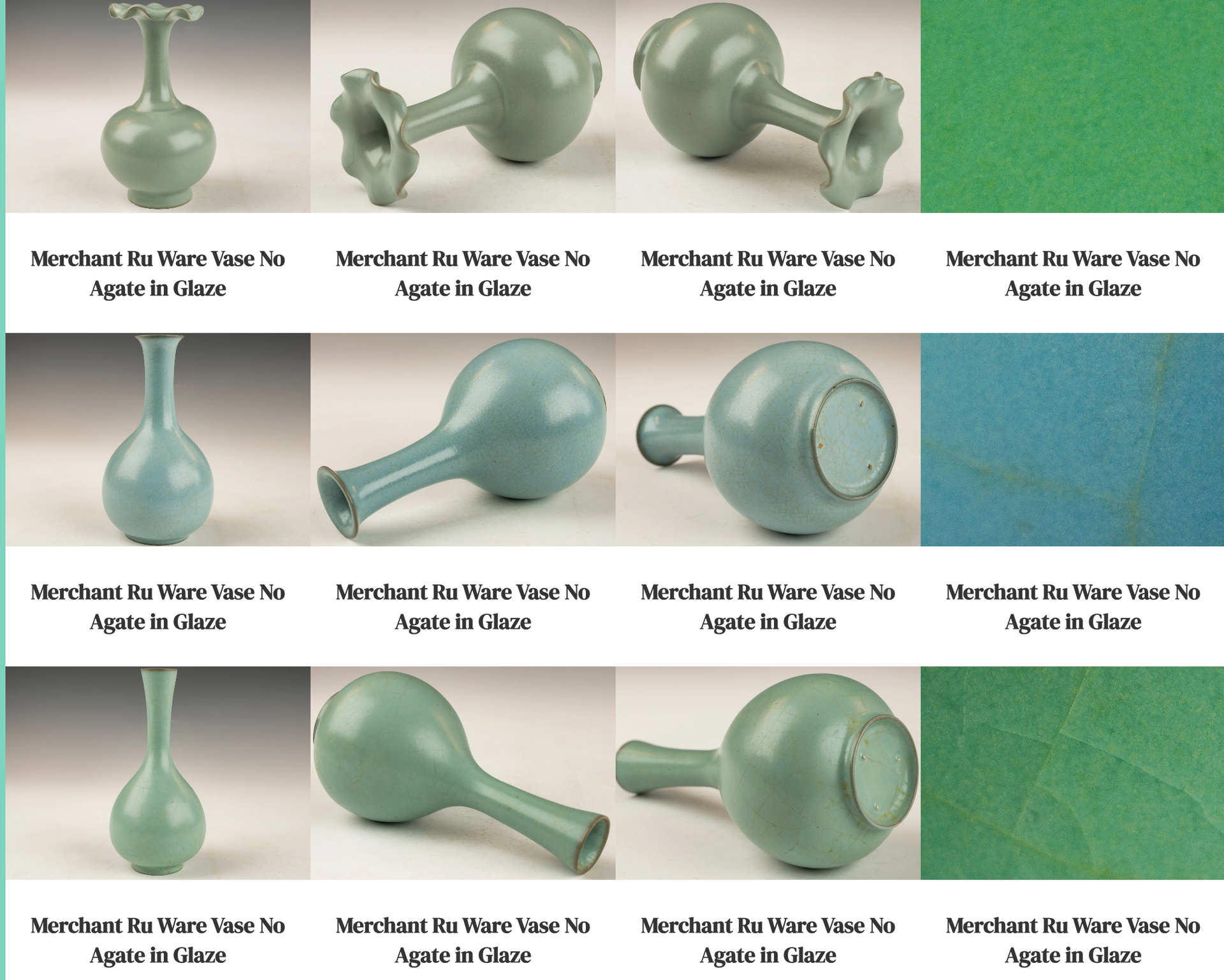
[Cherry Hill NJ 05/25/2025] – A shocking revelation in the world of ancient Chinese ceramics is set to disrupt the established understanding of Ru ware, one of the most prized ceramics of the Song Dynasty. Independent researcher and collector [Joseph Sharon] has uncovered irrefutable evidence proving that Imperial Ru wares incorporated crushed blue agate in their glazes and fire-gilded bands on their rims and bases—features that have been systematically ignored by museums and auction houses.
With a personal collection of over 300 pieces and extensive microscopic imaging evidence, [Joseph Sharon] has repeatedly attempted to present these findings to leading institutions, only to be met with silence and resistance.
Microscopic Evidence Exposes Long-Held Myths
Through high-resolution microscopic analysis, the presence of blue agate within Ru ware glazes has been confirmed. This contradicts the long-held claim that no such material remained after firing or was used in Song Dynasty ceramics. Agate, with its unique melting properties, remains intact within the glaze, creating a distinctive and recognizable effect that is scientifically impossible to replicate artificially.
Furthermore, many of these artifacts feature fire-gilded bands, a lost technique using a gold and mercury mixture that corrodes naturally over time, forming cuprite and botryoidal malachite—a signature of genuine Imperial wares. This technique has not been in use since the mid-1800s due to safety concerns, further proving the age and authenticity of these artifacts.
Resistance from Museums and Auction Houses
Despite sharing detailed analyses and microscopic photographs, leading auction houses and institutions, including the Palace Museum in Taiwan, have refused to examine the collection. The implications of this research challenge the credibility of millions of dollars' worth of past Ru ware sales, many of which were misattributed merchant-grade wares.
"The art world must prioritize historical accuracy over institutional reputations and market interests," says [Joseph Sharon]. "Refusing to engage with this evidence is a disservice to scholarship and collectors alike."
Call to Action: Seeking Open-Minded Scholars and Institutions
[Joseph Sharon] invites independent researchers, universities, and institutions to examine the collection and conduct independent testing to validate these findings.
In an effort to bring transparency to the art and research world, a new website is set to launch, showcasing high-resolution microscopic images, detailed reports, and side-by-side comparisons with known Ru ware artifacts.
History must be shaped by evidence, not by the reluctance of institutions to admit past mistakes. The time for truth is now.
For media inquiries, interview requests, or collaboration opportunities, please contact:
[Joseph Sharon]
[E-MAIL
Joseph.Sharon@chinesemasterpieces.com]
WEBSITE [https://www.chinesemasterpieces.com]
[Joseph Sharon] is a dedicated independent researcher and collector specializing in Song Dynasty ceramics. With an extensive collection and a passion for uncovering historical truths, [Joseph Sharon] has spent years analyzing and documenting evidence that challenges conventional narratives. Through scientific analysis and meticulous research, their goal is to bring long-overdue transparency to the world of ancient Chinese ceramics.
Chinese Masterpieces